Skip to content

The Hidden Cost of Poor Stormwater Drainage in Gauteng
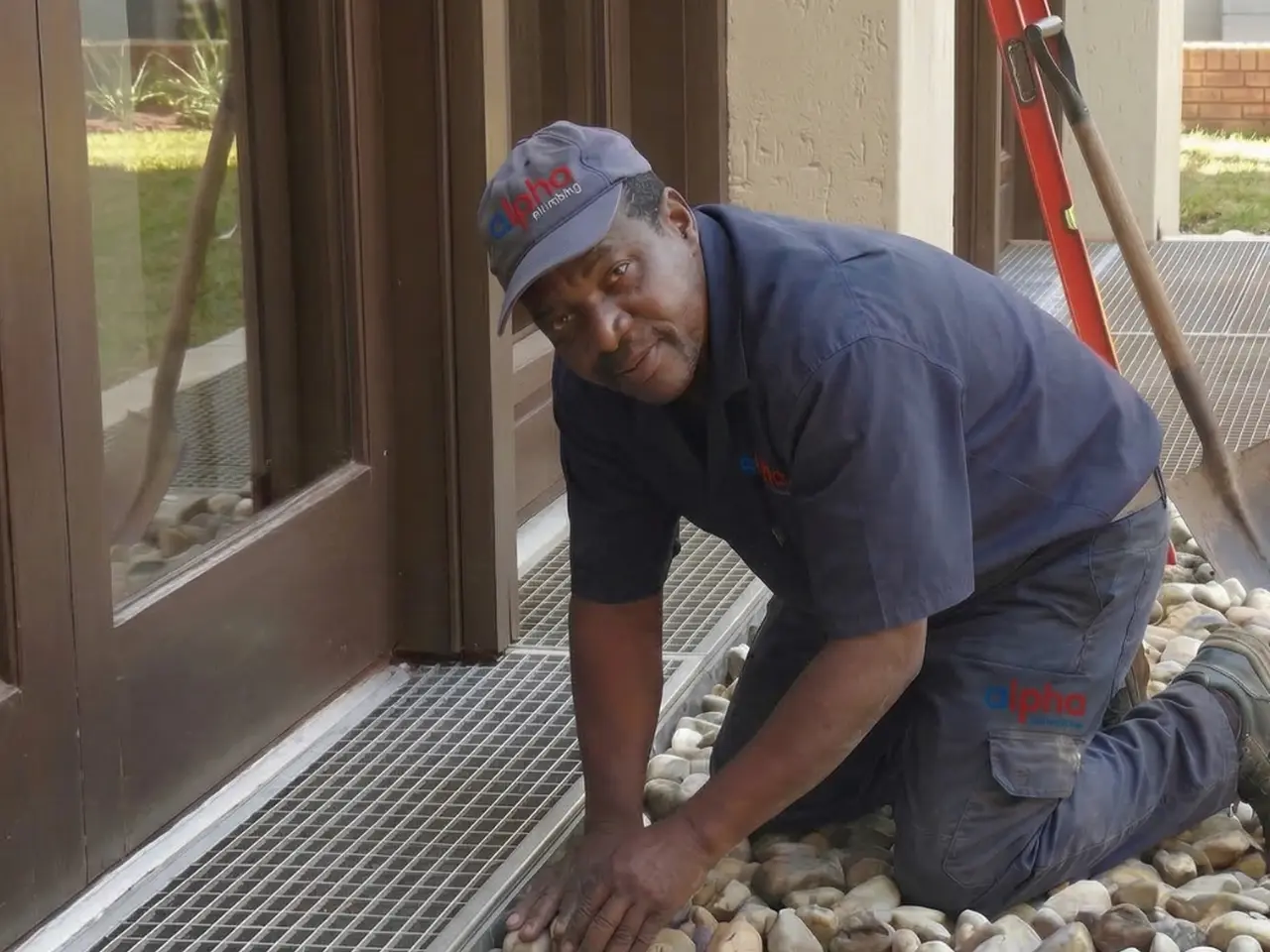
The Hidden Cost of Poor Stormwater Drainage in Gauteng

Wet Lawns, Damp Walls, Cracked Paving

Poor drainage isn’t just inconvenient—over time it can damage paving, walls, and even foundations.

In this guide, you'll learn how to tell the difference between stormwater runoff, waterlogged ground, and hidden leaks—and what to do first in Gauteng.

Alpha Plumbing provides stormwater and subsoil drainage solutions across Johannesburg, Pretoria and the greater Gauteng Highveld.

If you need a professional assessment, call us at 010 001 8364 to book.

Gauteng Summer storms expose failing drainage
If heavy rain leaves your garden waterlogged or pushes runoff toward the house, it’s usually a drainage issue waiting to get expensive. On the Gauteng Highveld, repeated summer storms (roughly October to March) expose weak points fast — systems that cope in light rain often fail during a week of downpours.
 

What poor drainage actually costs (beyond the puddle)
If water sits where it shouldn’t, the ground stays soft, paving bases move, slabs dip or lift, cracks appear, and you repair the surface, but the water problem remains. At the house's edge, persistent moisture can contribute to dampness, mould, odours, and long-term cracking. These issues often look like “wear and tear” until proper drainage proves the damage was avoidable.

If you want to sanity-check rainfall patterns for your area, SAWS’ Historical Rain tool is a helpful starting point. 

Quick Drainage Guidance for Homeowners

❓Is it stormwater, subsoil water, or a leak?
Most Gauteng “drainage” problems fall into one of these categories:

  1. Surface runoff (stormwater): water you can see flowing/pooling during rain.
  2. Waterlogged ground (subsoil): the lawn stays wet for days after rain.
  3. Hidden leaks: wet patches even when it hasn’t rained.

❓Is a wet patch in dry weather normal?
No. Treat it as a leak until proven otherwise.

❓Can I connect rooftop water to sewer lines?
Don’t. It’s prohibited and can overload sewer systems. (City of Johannesburg Water Services by-laws.)

When is the best time to install a drainage system?
Before peak summer storms. If you wait for the midsummer panic, you risk delays and rushed decisions.

Need Clarity? If you've noticed water near the house, damp creeping up walls, or paving starting to move, it’s worth getting a proper assessment

Symptom → likely cause → best next step


What You NoticeMost Likely CauseBest next step
Water pools on paving during rainStormwater runoff + poor falls/inletsStormwater Drainage 
The lawn stays wet for days after rainWaterlogged ground (subsoil)Subsurface Drainage
Wet patch in dry weatherUnderground leak or collapsed sewer line

Leak Detection, or

Sewer Repair & Replacement

Flooding + recurring blockages / unknown pipe routesSilted/collapsed stormwater or drain linesDrain Camera Inspection 
Gurgling / smells / repeat blockagesDrain/sewer issue (not only stormwater)Blocked Drains & Drain Cleaning 

Stormwater vs subsoil drains: which do you need?

Most homeowners waste money by fixing the symptom, not the cause. Here’s a quick way to tell what you’re dealing with:

1) Stormwater drainage (surface runoff control)

Stormwater drainage deals with rainwater moving across the surface of your property during or immediately after rain.

Typical signs are water pooling on paving, runoff carving little “rivers” through the garden, and rainwater flowing towards the house instead of away from it. You may also notice water collecting at doorways, garages, patios, or other low points after heavy rain.

Note: Johannesburg’s Stormwater Management By-laws exist specifically to regulate and manage stormwater runoff and its impacts — meaning stormwater isn’t “informal water you can send anywhere.

2) Subsoil drainage (de-watering saturated ground)

Subsoil drainage deals with water trapped inside the soil below the surface. It can be as damaging as flooding over time, as the soil stays saturated around paving, walls, and foundations.

Typical signs include lawns that stay wet for days after rain, marshy patches that are difficult to mow, damp creeping low up walls, and paving that starts dipping or lifting because the ground beneath remains soft and wet.

Unsure what you're dealing with?
Let the team guide you. Optionally: send us some photos or a quick rain video

Wet patches aren’t always drainage

If a wet patch persists when it hasn’t rained, don't always assume it's a drainage problem. Also consider:

Water Leak Detection for underground water leaks (often with a higher water bill). Read our helpful article to learn more about elusive leaks, how they happen, and how a professional leak detector can help.

Drain camera inspection can prevent unnecessary excavation and guessing – useful when you have:

  • unknown pipe routes
  • suspicion of a collapsed line
  • broken stormwater line holding water in the wrong place
     

➡️ Rule of thumb: if it’s wet during dry weather, rule out leaks or drain problems first. Following that you can then look at the most common drainage faults we see on Gauteng properties.

If you suspect either, enquire here:

The 9 most common drainage issues in Gauteng

Most drainage problems in Johannesburg, Pretoria, and the wider Gauteng region don't stem from a single major failure. With 35+ years of plumbing experience in Gauteng, these are the patterns we see most often:

  • Incorrect falls (water runs toward the house instead of away)
  • Blocked inlets/grates (sand, leaves, lawn clippings)
  • Downpipes dumping at foundations (roof water saturates the building edge)
  • Undersized or poorly routed stormwater pipes
  • No real discharge plan (water is collected but not taken away)
  • Collapsed or silted stormwater lines
  • Poor reinstatement/compaction (settling later → cracked paving)
  • High groundwater/saturated soils (needs subsoil relief)
  • Shortcut “fixes” that trap water (raised soil, random trenches, badly planned channels)

What can you do today to reduce flooding safely?

If you’re dealing with drainage issues in the middle of storm season, start with safe, sensible steps that can mitigate risk and give you a clearer picture of what is actually going wrong.

Grates, gullies, and gutters often choke with leaves, sand, and garden debris. Even a partially blocked inlet can cause water to back up quickly. What you should not do is aggressively force-flush a line when you do not know its condition—if a pipe is collapsed or damaged, you can make it worse.

If roof downpipes discharge right next to walls or foundations, temporarily extend them away from the building until a permanent solution is installed.

This is the best diagnostic step. Watch where water pools, where it cuts channels through the garden, and how close it gets to the house. A short video taken during a storm is incredibly useful.

Have you considered rainwater harvesting?

Rainwater harvesting won’t replace proper drainage, but it can reduce roof runoff and help you store water for later use — while easing the load on your drainage system during heavy storms. It also gives you more independence for gardens, toilets, laundry and more, which is especially useful in South Africa where water interruptions are a reality. Over time, it can reduce municipal consumption and deliver meaningful cost savings.

Why December is the worst time to “suddenly install drainage”

Homeowners often realise they need drainage in December due to frequent storms, saturated ground, and visible damage. The problem is that this is also the toughest time to do the work properly: excavation is messier, reinstatement and compaction are harder to get right, and demand spikes because everyone else is facing the same issue.

If your property floods every summer, the smarter move is to assess early and plan the work before peak storms — even if installation happens later. 

➡️Reality: Quality drainage needs time for correct diagnosis, correct falls, a proper discharge plan, and neat reinstatement

How to choose a drainage contractor in Gauteng

Shortcut drainage work may look fine on day one and still fail in the next storm cycle. That’s why it matters who you appoint. 

When you’re comparing contractors in Gauteng, ask these four questions:

  • Where will the water discharge? (If the answer is vague, be cautious.)
  • How will you confirm correct falls/gradients? (Drainage fails when water can’t flow.)
  • How will you reinstate and compact the trenches? (Poor reinstatement is why the paving cracks later).
  • Are you a licensed plumber? (To ensure you get a lasting and compliant solution).

Alpha Plumbing has been serving Johannesburg and Pretoria since 1989, and our stormwater/subsoil drainage installations carry a five-year guarantee. We're licensed and registered with IOPSA (the Institute of Plumbing South Africa) and the PIRB (Plumbing Industry Registration Board).

We do plumbing. You do uninterrupted life.

FAQs

Yes. Saturated base layers move; poorly compacted trenches settle; water against foundations can drive damp and longer-term damage

Yes. Inlets clog, sediment builds up, and access points make maintenance possible.

Lead times vary because demand spikes during storms. Our best advice is to plan early instead of expecting instant availability in the busiest period.

There’s no honest “typical” number. The cost depends on the length, excavation depth, outlet route, and reinstatement. The only safe statement is this: proper drainage is almost always cheaper than long-term structural damage.
If you want clarity, start with an assessment and a written scope – get in touch or call us at 010 001 8364

That may be a drainage/sewer issue rather than stormwater alone. Start here: Blocked Drains and Drain Cleaning

Don’t wait for a stormwater disaster

If your property floods every summer, the best outcome comes from three things: diagnose correctly, design correctly, install properly — with correct falls and a compliant discharge plan.

Call 010 001 8364 today to schedule your drainage assessment or request a quote

Also take a look at our general plumbing support available 24/7

Accreditations

Plumbing Industry Registration Board (PIRB)
Institute of Plumbing of South Africa (IOPSA)
World Plumbing Council (WPC)
SABS Approved
Call Us: 010 001 8364